The Confluence
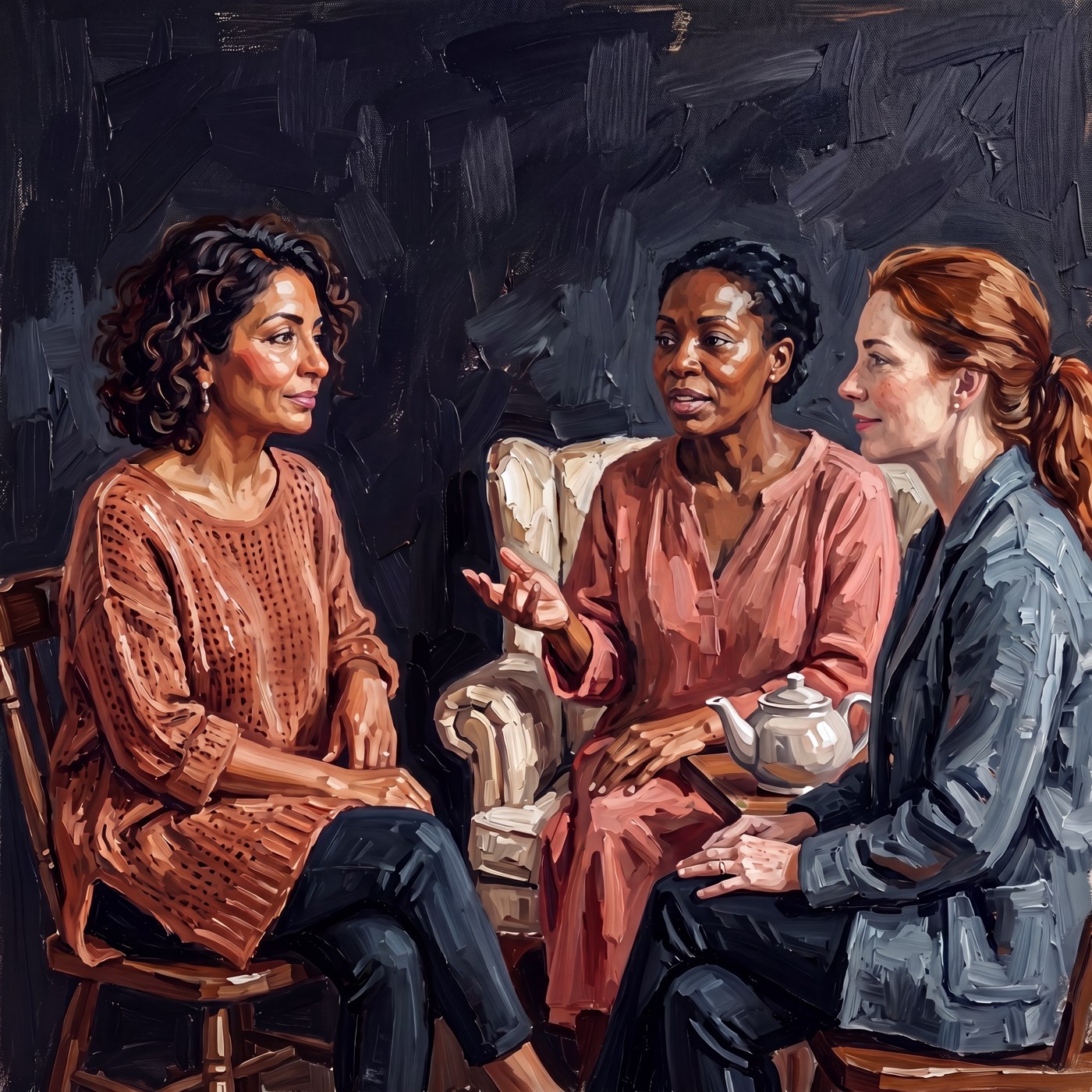
The arc, moved through together. A small room of women who share the wiring.
Coaching for women with ADHD who lead in the nonprofit sector, so the wiring that made you exceptional stops burning you out.
You run the programs, carry the board, raise the money, and lie awake certain one dropped thread will give you away.
The work runs on urgency and purpose. Your brain does too. That’s why you got so good.
And then it starts to turn on you.
You can hold everything together when it matters, and fall apart on an ordinary day.
That isn’t a character flaw. It’s borrowed fire. And eventually, it comes due.
The sector runs on urgency, meaning, and constant demand. That’s exactly what an ADHD brain is wired for, so you rise fast and become the one everyone counts on.
Then the occasional pressure becomes constant. The same wiring that made you exceptional starts to wear you down. Not because you’ve changed, but because this way of working was never meant to last.
It’s borrowed fire. It works, until it comes due.
See the whole picture: why this happens →This work changes what your leadership runs on: from urgency and pressure to something that holds up over time. There’s a clear way through it.
We name what’s been happening — often for the first time.
We build ways of working that fit your brain, so you don’t run on last-minute pressure, and your passion for the work becomes something you can sustain, not spend.
You stop holding everything together by force. The effort starts to drop.
The same strengths, now something you can sustain. And a way to stay in the seat.
This is for women with ADHD: diagnosed, in the process, or privately sure. Women are so often missed or diagnosed late; that doesn’t make it any less real for you. You don’t need a diagnosis to start.
Eunoë (yoo-NO-ay) is Greek for “a good mind,” or beautiful thinking.
In Dante’s Purgatorio, Eunoë is the river that restores your strength and gives back the memory of your own good.
That’s the work here: not fixing what was broken (nothing was), but giving back what has always been yours.
A first conversation. No prep. No pitch. We talk about what’s going on and whether this work makes sense for you. You leave with something useful either way.
This is the full piece of work. We move through the whole process: making sense of what’s been happening, building structure that fits, and getting you to something you can sustain.
A small group of women with ADHD leading across the sector, moving through the work together. Facilitated, and kept deliberately small so no one disappears.
A talk about why the nonprofit sector burns out its most capable women — and what to do about it.
The arc, moved through together. A small room of women who share the wiring.
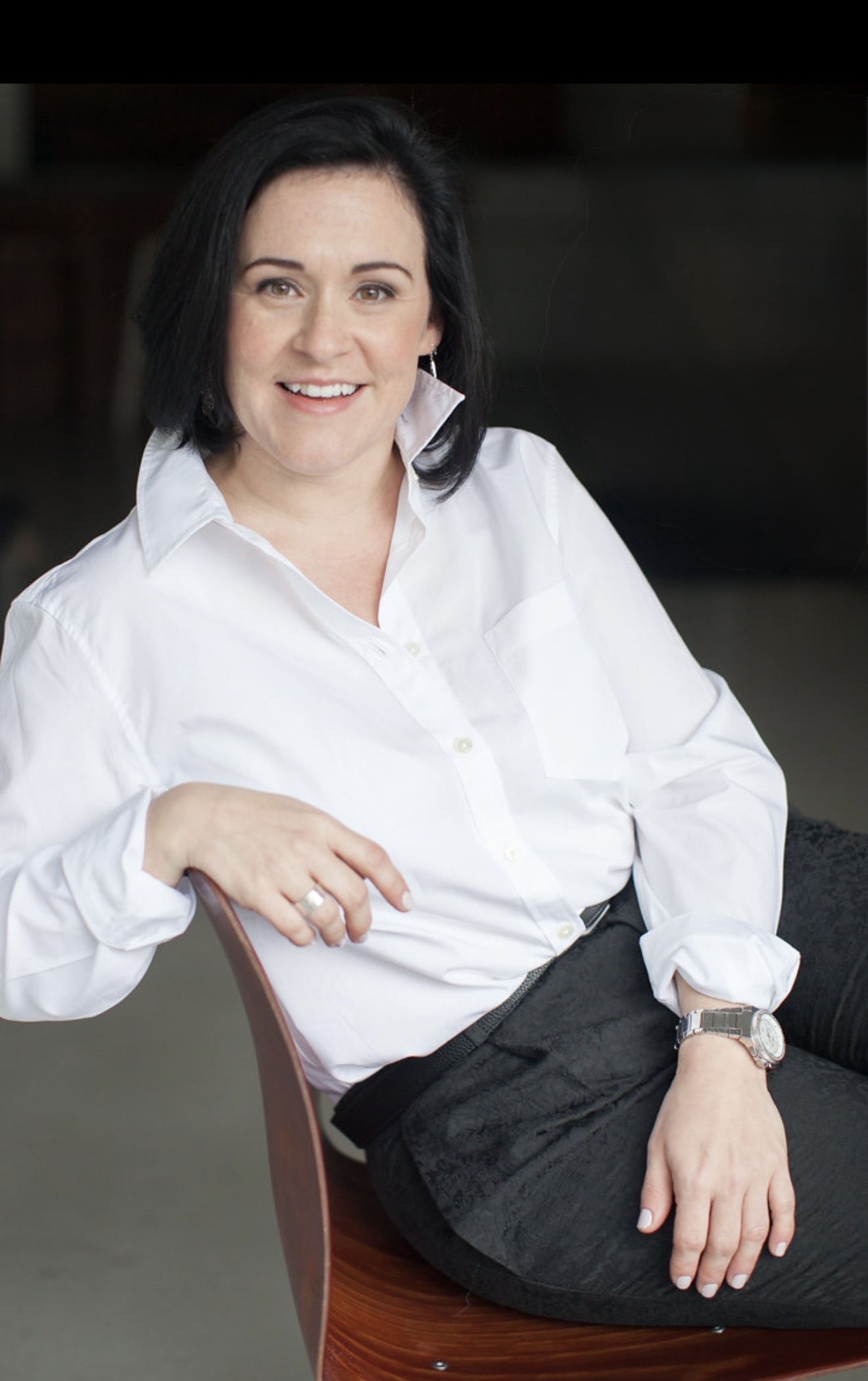
Grantee, grantor, board chair, CEO. For nearly thirty years I’ve led from every seat in this sector. I know the weight of the seat that can’t be set down, and the particular loneliness of being the one everyone counts on.
And I’ve watched the same thing happen to the most capable women I know. They run on purpose and urgency until they’re the highest performer in the building, and then they come apart, certain it’s a personal failing. It isn’t. Many of them have ADHD, often unnamed. No one ever built them a structure that fit the way their minds work, and then they were asked to lead inside it anyway.
That’s why I built Eunoë. Not to fix anyone (there was never anything broken), but to do what the sector didn’t: to see you clearly first, then hand you structure that holds. You don’t need a diagnosis to begin. You only need to be done carrying it alone.
And I don’t come to this from the outside. I’m a woman with diagnosed ADHD myself, later than I should have been, and I’ve lived the borrowed fire, the masking, and the relief of finally working in a way that fits. That understanding is in every conversation I have.
I’m a nonprofit and philanthropy leader, training toward my ICF and PAAC coaching credentials, and I bring the experience of every one of those chairs to the work now. I don’t diagnose. I coach, and I’ll point you toward the right people when an assessment would help.
That mix is rare, and it’s the point. Most people who could help have only half of it: leadership without ADHD, ADHD without the weight of a board and a budget, or the organization without the woman inside it. I’ve stood in all of it. Through my consulting practice I also work on the systems that burn people out, not just the person carrying them, so I understand the structure and the symptom both. It means I don’t have to translate.
You don’t need fixing. You need to be seen, and then handed structure that holds. When you’re ready, that’s where we begin.
The sector doesn’t have a pipeline problem at the entry level. It has a leak near the top. Women fill most of the workforce but a fraction of the executive seats, and their share of leadership keeps falling as budgets rise.
And it isn’t only burnout. Study after study finds that men are advanced on potential while women are advanced on proof4, so your most capable women wait until they’re certain, over-prepare, and carry more before they’re ever chosen. For a woman with ADHD, that extra, invisible load is exactly what burns the fastest. You spend years developing your best people, then lose them at the peak of what they have to give.
This is how you keep them, and help them rise. You already fund sabbaticals and wellness; sponsored coaching is the same conviction, applied earlier and more cheaply. It helps the women you depend on most reach for the roles they’ve already earned, and stay sustainable once they’re in them, including grantee leaders. Available 1:1 or as a cohort, under one agreement.
Talk about a partnership1 AAUW, Broken Ladders (women as a share of the nonprofit workforce). 2 Candid, 2024 Nonprofit Compensation Report (women hold ~60% of CEO roles at organizations under $500K vs. ~29% at those over $50M). 3 Nonprofit sector workforce reporting (sector turnover ~19% vs. ~12% in other sectors). 4 University of Kent (2015); MIT Sloan / McKinsey & LeanIn, Women in the Workplace (men advanced on potential, women on proof).
No. This is for women with ADHD, diagnosed or not. Many of the women I work with found out late, or already know. You don’t have to prove anything to start, and coaching never requires a diagnosis. If a formal answer would help, I’ll point you to someone I trust.
Executive coaching tends to see the role. Therapy tends to the deeper, personal work. This holds both, and it’s built for ADHD, by someone who has led in this sector and has ADHD herself.
Consulting and advisory work solves the problem in front of you: the strategy, the transition, the decision. That’s the work of my consulting practice, Apipunsit. Eunoë is different. It isn’t about the decision on your desk; it’s about the mind doing the deciding, and how you lead without it costing you everything. One helps you carry the season. The other helps you carry yourself.
No. Coaching looks forward and stays practical, and it works alongside clinical care rather than replacing it. I don’t diagnose or treat, and I’ll refer you on when something belongs with a therapist.
Yes, completely. What you say stays between us. That matters even more when you’re the person everyone else relies on and there’s nowhere obvious to set the weight down. The room is yours, and nothing leaves it.
We start by making sense of what’s been happening, often for the first time. Then we build ways of working that fit your brain, so progress stops depending on last-minute pressure. Over a few months, the effort drops and the strengths stay.
It’s a free 45-minute conversation, and that’s all it needs to be. You don’t prepare anything. We talk about what’s been going on, I ask a few questions, and you get a clearer sense of what’s underneath the exhaustion. By the end you’ll know whether this work is right for you. There’s no pitch, and you leave with something useful either way.
The Crossing runs about four to six months, with a session every two weeks, online, so we can meet from anywhere in Canada. The first conversation, The Seeing, is always free.
The Seeing is free. The Crossing is $3,200 for the engagement, or $650 a month, a founding rate while I finish my credentials. The Confluence is $2,500 a seat. Speaking and sponsored work is by proposal.
My work is built for women with ADHD leading in the nonprofit and philanthropic sector, and that focus is the point. If you’re elsewhere, book The Seeing anyway and I’ll help you find the right fit.
Often, yes. Many nonprofits fund coaching the way they fund sabbaticals or wellness. I can work with you and your organization under one agreement, whether one-to-one or as a cohort. Just mention it when we talk.

A free 45-minute conversation. No pitch, no prep, just a chance to be understood by someone who gets both the ADHD and the sector.
Book a conversationor email hello@eunoe.coach